

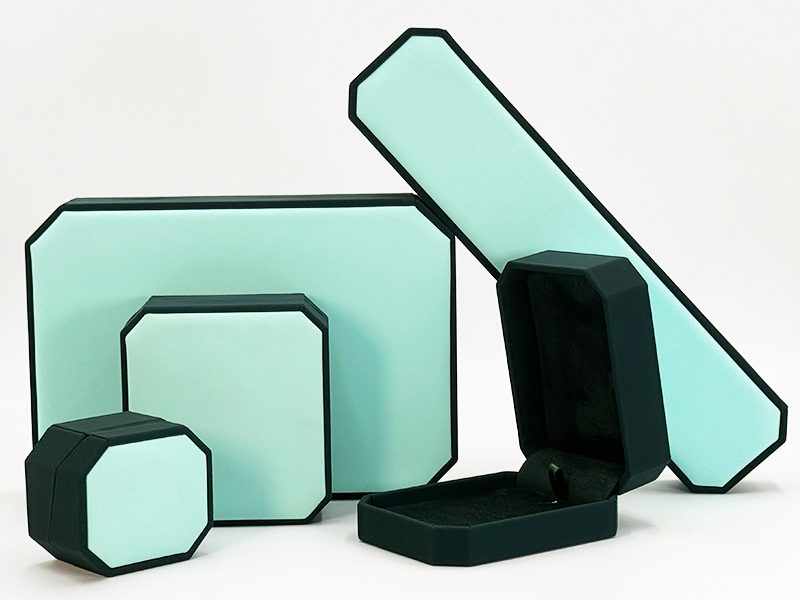
In a luxury boutique in Dubai or an exclusive jewelry exhibition in Singapore, the ultimate nightmare for a purchasing manager isn’t a minor shipping delay—it’s opening a freshly arrived freight container only to discover that your expensive batch of leather jewelry boxes has turned sticky, peeled along the hinges, and emitted a harsh chemical smell.
Under Middle Eastern desert heat (40°C+) and Southeast Asian high humidity (90%+ RH), standard PU leather packaging fails within 3 months. As a specialized B2B manufacturer of custom jewelry packaging, YUNFAI has conducted over 1,000 environmental chamber tests. Here is your practical, no-nonsense sourcing guide to choosing anti-peeling, anti-hydrolysis leather jewelry box materials that keep your luxury packaging flawless anywhere on Earth.
1. Why Standard PU Leather Jewelry Boxes Fail in Hot & Humid Markets
When sourcing a custom anti-hydrolysis leather jewelry box, buyers often evaluate sample swatches based solely on initial touch, overlooking how materials react in tropical climates. Standard PU leather typically suffers from three major flaws:
- Hydrolysis Breakdown: Ester bonds inside standard polyester PU leather degrade rapidly when exposed to high temperature and moisture. This causes the polyurethane surface coating to crack, flake, and peel off.
- Plasticizer Bleed & Stickiness: Low-cost leather relies on cheap plasticizers for softness. At temperatures above 40°C, these small molecules migrate to the surface, creating an oily, sticky film that attracts dust and leaves fingerprints.
- Adhesive Degassing & Odor: Standard non-weatherproof adhesives break down inside sealed shipping containers, releasing foul chemical fumes that tarnish your brand reputation and can even discolor sensitive gemstones like pearls and opals.
2. Material Matrix: Standard PU vs YUNFAI Polyether PU vs YUNFAI Microfiber
To withstand demanding tropical logistics, YUNFAI categorizes raw materials during procurement. Use this quick selection guide for your next tropical climate jewelry packaging project:
| Selection Criteria | Standard Polyester PU | YUNFAI Polyether PU | YUNFAI High-Grade Microfiber Leather |
| Jungle Test Resistance | Fails in 1-2 Weeks | 3-5 Years Resistant (7-10 Days Test) | 8+ Years Resistant (14+ Days Test) |
| Anti-Sticky (40°C/90% RH) | Becomes sticky, greasy & dirty | Remains dry, zero migration | Premium dry touch, genuine leather feel |
| Scratch & Abrasion Resistance | Poor, scuffs easily | Excellent for high daily usage | Superior (>100,000 rub cycles) |
| B2B Overall Cost / Value | Low upfront (High defect risk) | Medium (Best ROI for B2B Wholesale) | High (Ideal for Flagship Luxury Brands) |
| Target Market Suitability | Controlled temperate indoor stores | Middle East & SEA Mid-to-High Markets | High Jewelry & Global Heritage Brands |
3. Three Sourcing Rules: Building Anti-Peeling Leather Jewelry Boxes
When requesting quotes from a polyether PU jewelry box supplier, mandate these three quality standards in your Tech Pack:
- Mandate “Polyether-based” PU Molecular Structure Specify “Polyether Polyurethane” in your contracts instead of generic PU. Polyether molecules do not contain ester bonds vulnerable to moisture, preventing hydrolysis at the molecular level.
- Lock in “Water-Based Eco-Friendly Glue” The adhesive used to wrap the box structure is just as critical as the leather itself. YUNFAI uses non-toxic water-based anti-hydrolysis glue that withstands container temperatures up to 60°C without off-gassing or debonding.
- Insist on “Jungle Test” Certification Always request accelerated environmental test reports (simulating 70°C and 95% humidity for 7 to 14 days). Materials that pass this rigorous chamber test guarantee 3 to 5+ years of real-world shelf life in humid climates.
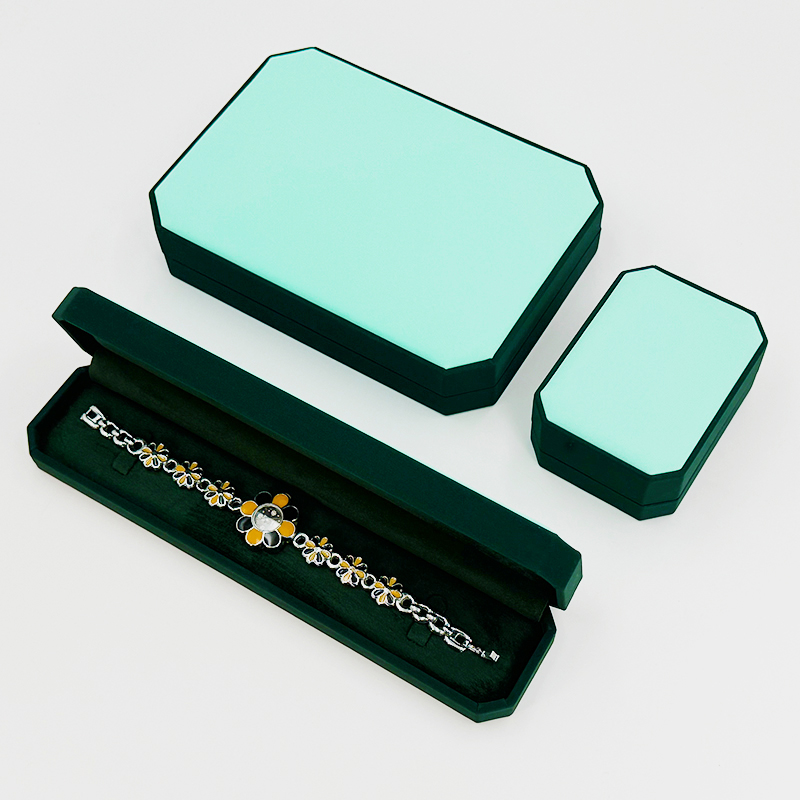
4. B2B Sourcing FAQ: Real-World Dilemmas Answered
Q: What if I already ordered standard PU boxes currently in ocean transit to tropical regions?
A: In-transit degradation can only be temporarily mitigated by placing high-capacity silica gel packs and vacuum anti-moisture bags inside master cartons. However, this does not alter the material chemistry. To eliminate future risks, upgrade your next batch to YUNFAI polyether PU or microfiber leather jewelry boxes.
Q: How can sourcing managers quick-test leather swatches without laboratory equipment?
A: Submerge leather samples in 80°C hot water for 24 hours, or rub the surface vigorously with medical rubbing alcohol. If the coating softens, discolors, or turns tacky, it is cheap polyester PU that will fail in humid climates.
Q: What is the tactile and visual difference between Microfiber and Polyether PU?
A: A microfiber leather jewelry box replicates genuine leather’s 3D collagen structure, offering rich softness, natural creasing, and maximum durability. Polyether PU offers superior grain uniformity and exceptional cost efficiency. Both are 100% anti-peeling and non-sticky.
In the global luxury space, a jewelry box isn’t just container packaging—it’s the first tangible touchpoint of your brand’s prestige. A single batch of sticky, peeling boxes can ruin years of brand building and cost far more in returns than the initial savings on cheap materials. Choosing climate-resilient leather ensures your brand maintains its luxury promise anywhere in the world. If you are expanding into hot and humid regions or upgrading your packaging strategy, feel free to reach out to YUNFAI packaging experts today to receive your complimentary Anti-Hydrolysis Leather Sample Kit and custom B2B quotation.