Welcome to YunFai Jewelry Box Manufactory


News
-
Modular Cufflink Box & Watch Box Inserts: How Adjustable Slots Cut Mold Costs?
When a watch brand launches a 38mm and a 42mm model in the same season, both need their own fitted insert. When a cufflink brand runs four different back styles, each one typically gets its own cavity in a cufflink box insert. And when a gift division wants one presentation box holding a watch on the left and two pairs of cufflinks on the right, that’s yet another mold. Under conventional packaging logic, each of those scenarios triggers a separate insert mold. And each mold means tooling cost, sampling time, and a locked-in MOQ before you see a single production piece. At YUNFAI, we’ve been making cufflink box inserts and watch box packaging since 1998. The pattern we see across brands — from independent designers to established European accessory houses — is consist...Learn more -
Flocked or Velvet? 3 Quick Tests to Spot Fake Flocking in Jewelry Box Linings
You get a jewelry box sample. The lining feels soft, looks premium. The supplier says it’s velvet. You place the bulk order. Three months later, customer complaints roll in — the lining sheds powder, fibers rub off bald, creases stay pressed in forever. That’s not a quality control slip. The material was wrong from the start. In jewelry packaging, electrostatic flocking and woven velvet are two jewelry box lining materials that look almost identical on the surface but sit at completely different structural levels. Buyers who can’t tell them apart at the sample stage end up either paying velvet prices for flocking, or sourcing low-grade flocking that fails in the field. The 3 tests below are ones we use constantly in real production and client sample reviews. ...Learn more -
Beyond Red, Black & Gold!How Morandi Dusty Rose Suede Jewelry Boxes Double Gen Z Purchase Rates?
For decades, traditional luxury jewelry packaging has relied on a bold formula: deep red, glossy black, and hot-stamped gold. While this palette conveys classic prestige, it carries a mature, formal energy that fails to resonate with Gen Z consumers—who now drive the fastest-growing segment of the affordable luxury jewelry market. Morandi tone jewelry boxes with dusty rose microfiber/suede lining have emerged as a powerful tool for brand visual rebranding, boosting social share rates and conversion by over 30%. This guide breaks down the psychology, material comparisons, actionable solutions, and production pitfalls to help brands unlock Gen Z spending. 1. Industry Pain Points: Why Traditional Red-Black-Gold Packaging Is Losing Gen Z Customers 72% of buyers consider packaging as ...Learn more -
Piano Lacquer Wooden Box Buying Guide: Why Some High-Gloss Wood Boxes Feel Luxury, Others Look Like Cheap Plastic?
or luxury jewelry packaging and high-end gift boxes, piano lacquer wooden boxes are a staple choice for elevating brand perception. But many procurement teams run into the same costly pitfall: two products both labeled “high-gloss piano finish” can differ 3–5x in price. Samples may look shiny online, but bulk orders often arrive with hazy gloss, obvious orange peel texture, chipped edges, and uneven gaps — dragging down your brand’s perceived value instead of elevating it. True luxury-grade piano lacquer is never just “one coat of shiny paint.” From substrate stability and coating layers to mirror polishing details, every step adds up to the final finish. This guide breaks down the key differences and helps you avoid common sourcing mistakes. 1. Quick Comparison: Low-End Lacquer ...Learn more -
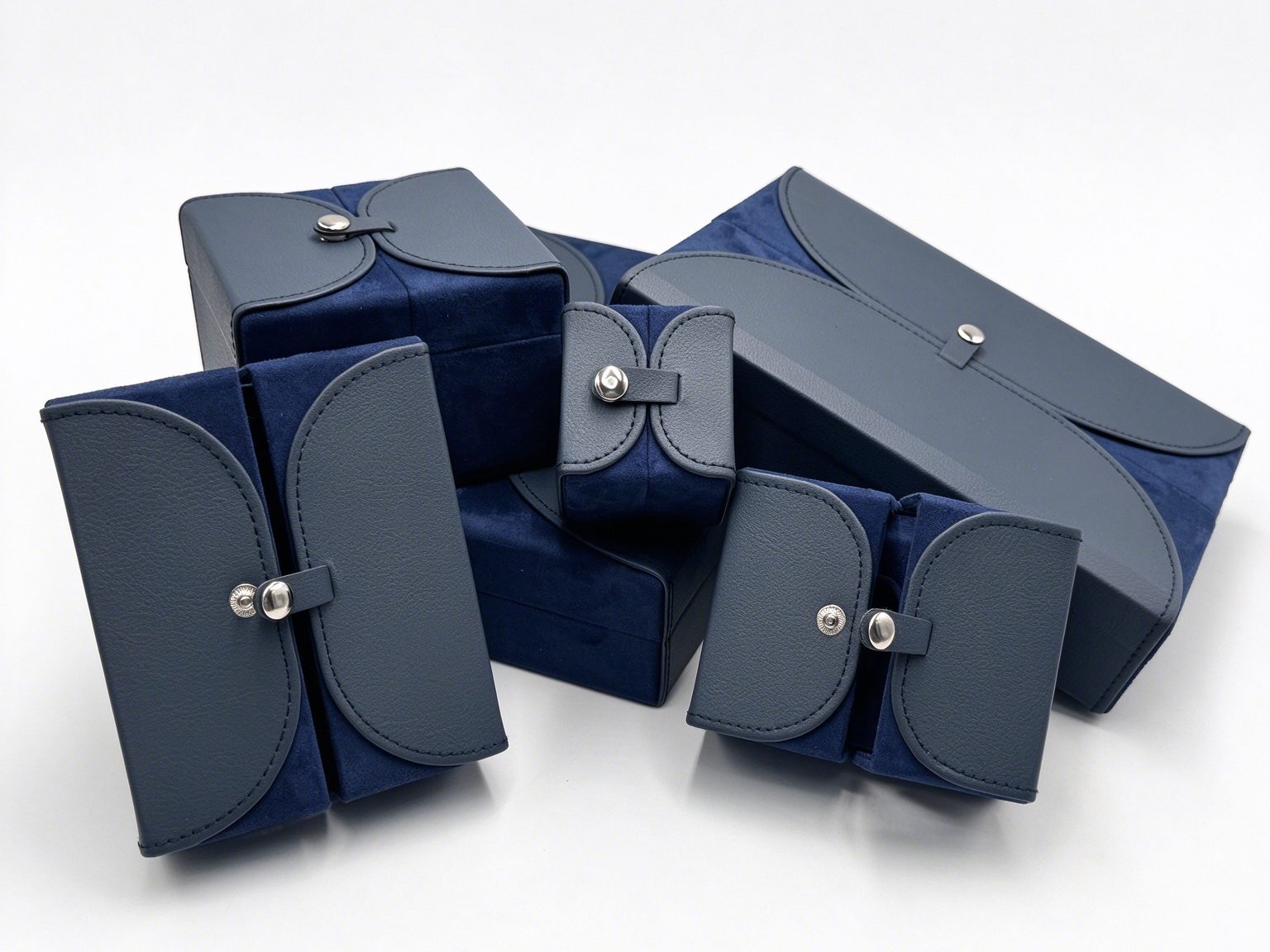
Jewelry Box B2B Procurement Guide: Factory Inspection Standards for Odor, Peeling, and Bubbling
Jewelry box bulk shipments often face critical quality failures after weeks in sea containers—ranging from harsh chemical odors to corner peeling and inner lining bubbling. For B2B buyers engaged in jewelry box B2B procurement, sourcing custom jewelry boxes, or placing bulk jewelry box orders, an impressive sample does not guarantee flawless mass production. At YUNFAI, we manage these production hazards directly on the factory floor by strictly enforcing jewelry box quality control standards throughout every step of manufacturing. 1. Jewelry Box Odor Control: Adhesive Selection & VOC Thresholds Leather jewelry boxes, velvet jewelry boxes, and microfiber jewelry boxes require extensive gluing during production. To reduce costs or shorten drying times, some suppliers use high-v...Learn more -
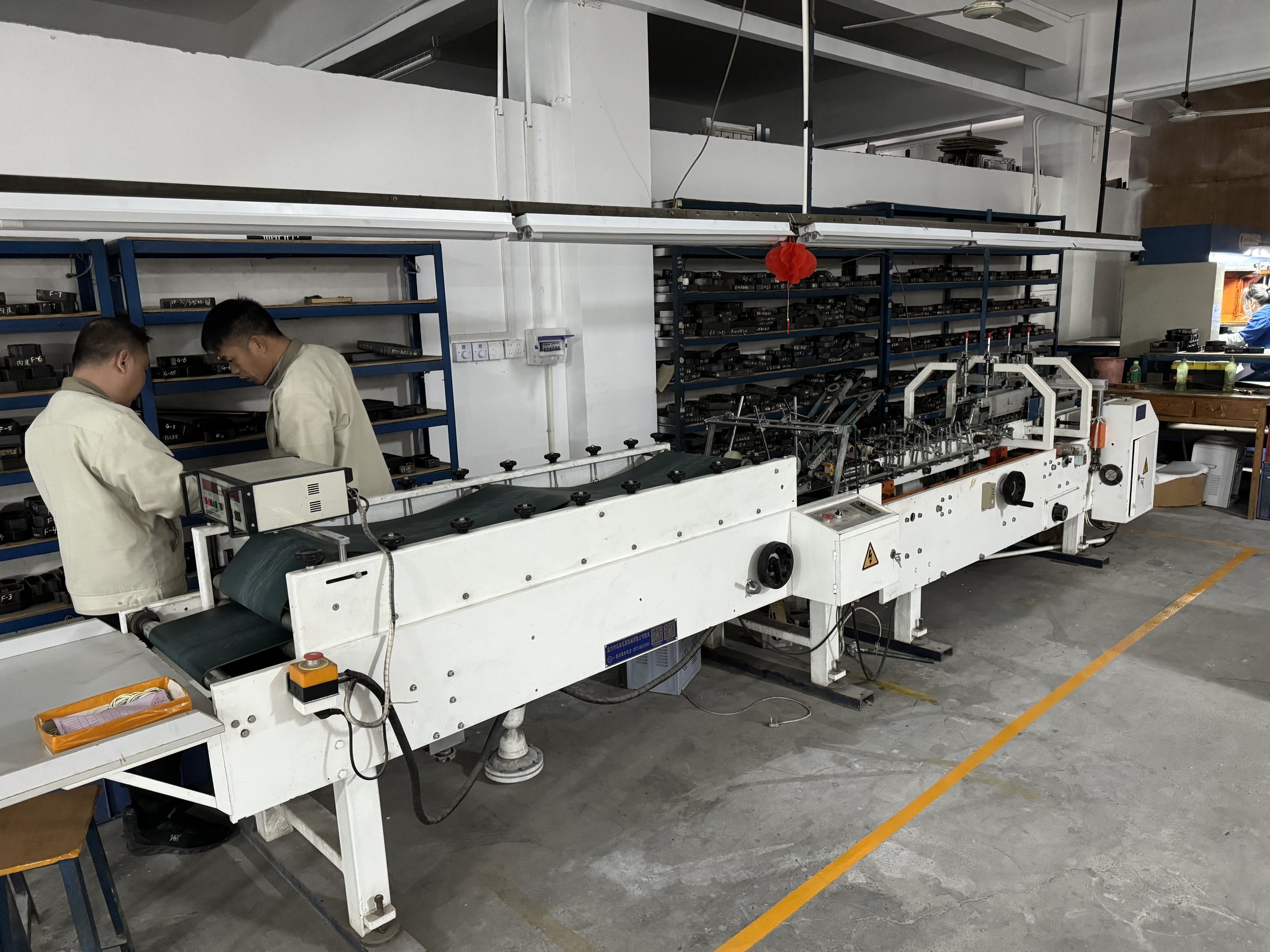
Why Does Your Showcase Look Cheap? 3 Steps to Custom Jewelry Box, Tray & Display Color Harmony
Jewelry retailers worldwide face a persistent sourcing nightmare: buying trays from Vendor A, displays from Vendor B, and boxes from Vendor C. When these items meet under bright store lighting, noticeable fabric color shifts, mismatched leather textures, and poorly fitting inserts instantly make high-end jewelry look cheap. Multi-vendor sourcing quietly degrades brand perception and erodes customer trust. Why Pantone Codes Alone Cannot Prevent Color Discrepancies Purchasing managers often wonder why products look completely different in person even after sending the exact same Pantone code to three different factories. The reason lies in supply chain variances. Factories purchase raw materials from different textile mills, use different chemical dye formulas, and operate under...Learn more -
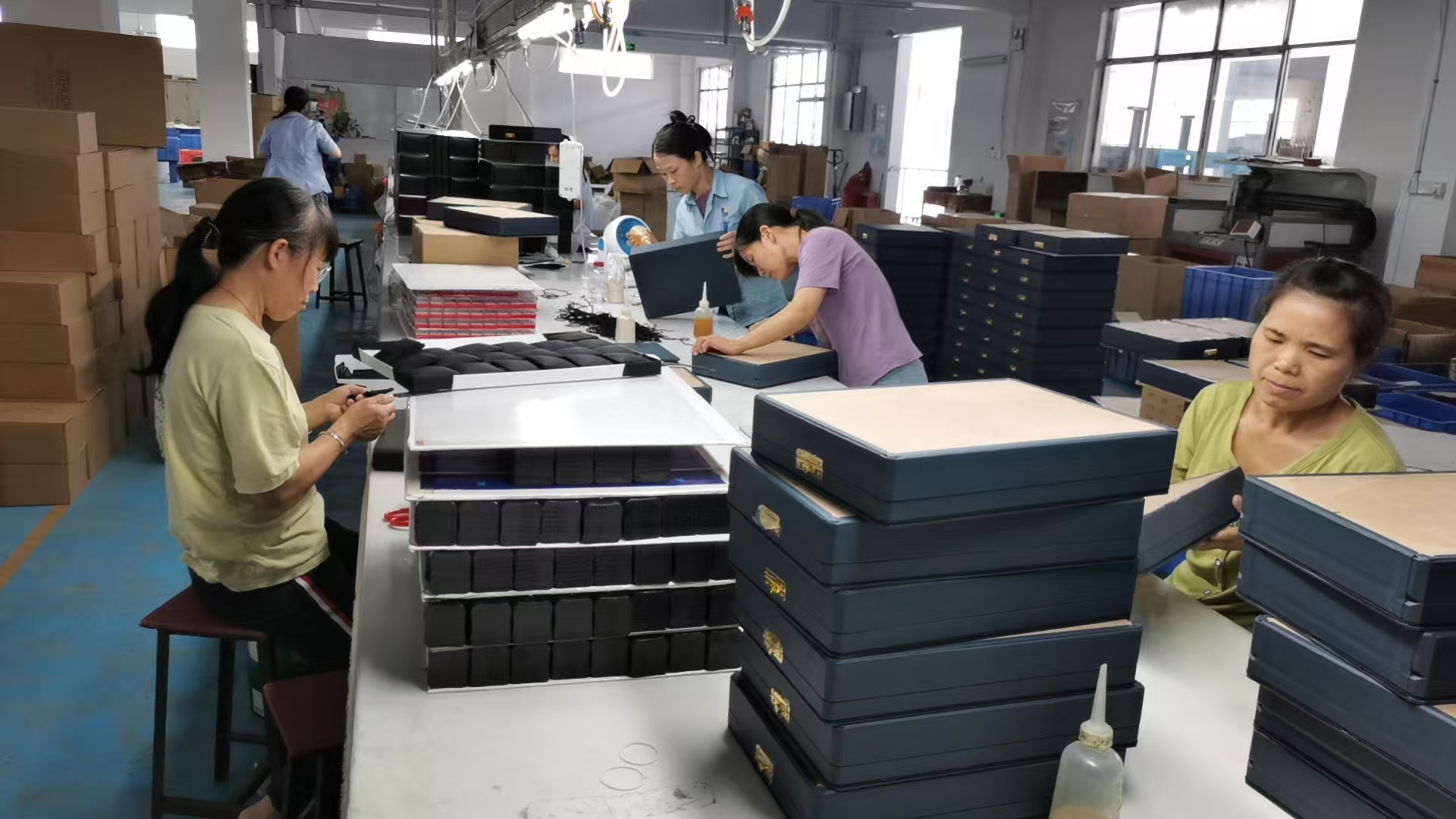
Why Luxury Jewelry Brands Are Switching to Microfiber Boxes?
For decades, traditional flocking fabric and standard velvet were the default interior linings for jewelry packaging. However, as consumer unboxing expectations rise and fine jewelry requires stricter protection during shipping and storage, microfiber suede is rapidly replacing older materials. Top-tier luxury houses—including Cartier and Tiffany—alongside rising direct-to-consumer brands, now treat microfiber as their preferred interior lining. What makes microfiber boxes superior? More importantly, how does upgrading to microfiber lower post-sale return risks and drive higher customer retention for B2B jewelry brands? Microfiber vs. Traditional Flocking: A Performance Breakdown Microfiber is an advanced island-type composite material made from ultra-fine synthetic fibers (ty...Learn more -
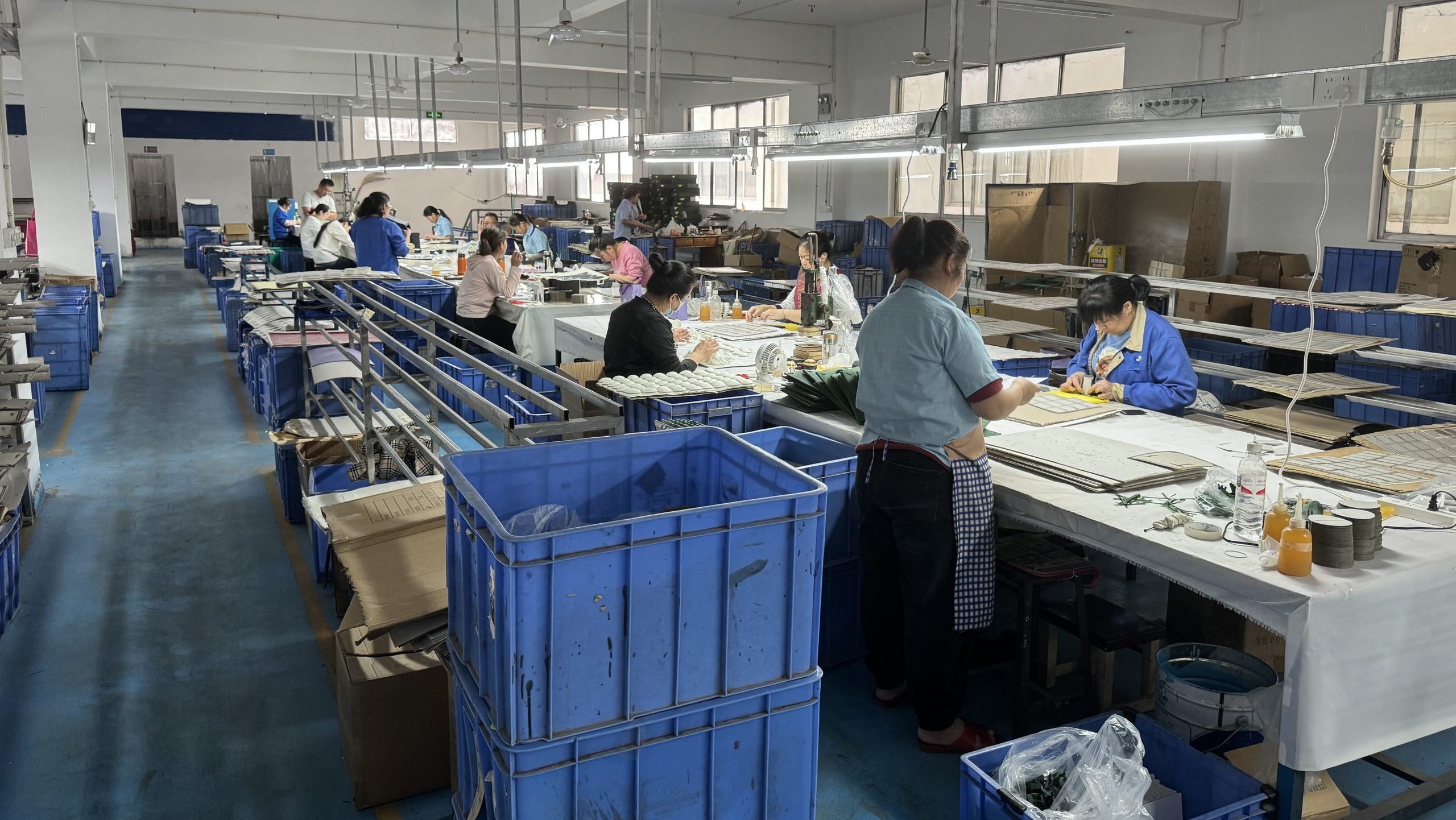
Custom Jewelry Boxes for Colored Gems & Jade: How Wood + Microfiber Linings Enhance Color?
For fine colored gemstones—such as rubies, sapphires, and emeralds—and natural jadeite, packaging serves as much more than a protective container. It acts as the primary physical touchpoint for brand equity and cultural storytelling. High-value gemstones and jadeite carry deep heritage, whether tied to Eastern cultural traditions or Western high-jewelry artistry. Standard cardboard or low-cost synthetic boxes undermine this value before the customer even sees the piece. Creating a custom jewelry box for high-net-worth clients requires balancing two physical elements: the substantial, grounding weight of a wooden exterior frame and the optical precision of an engineered microfiber lining. Exterior Craftsmanship: How Wooden Frames Deliver Substance and Weight Colored gemstones a...Learn more -
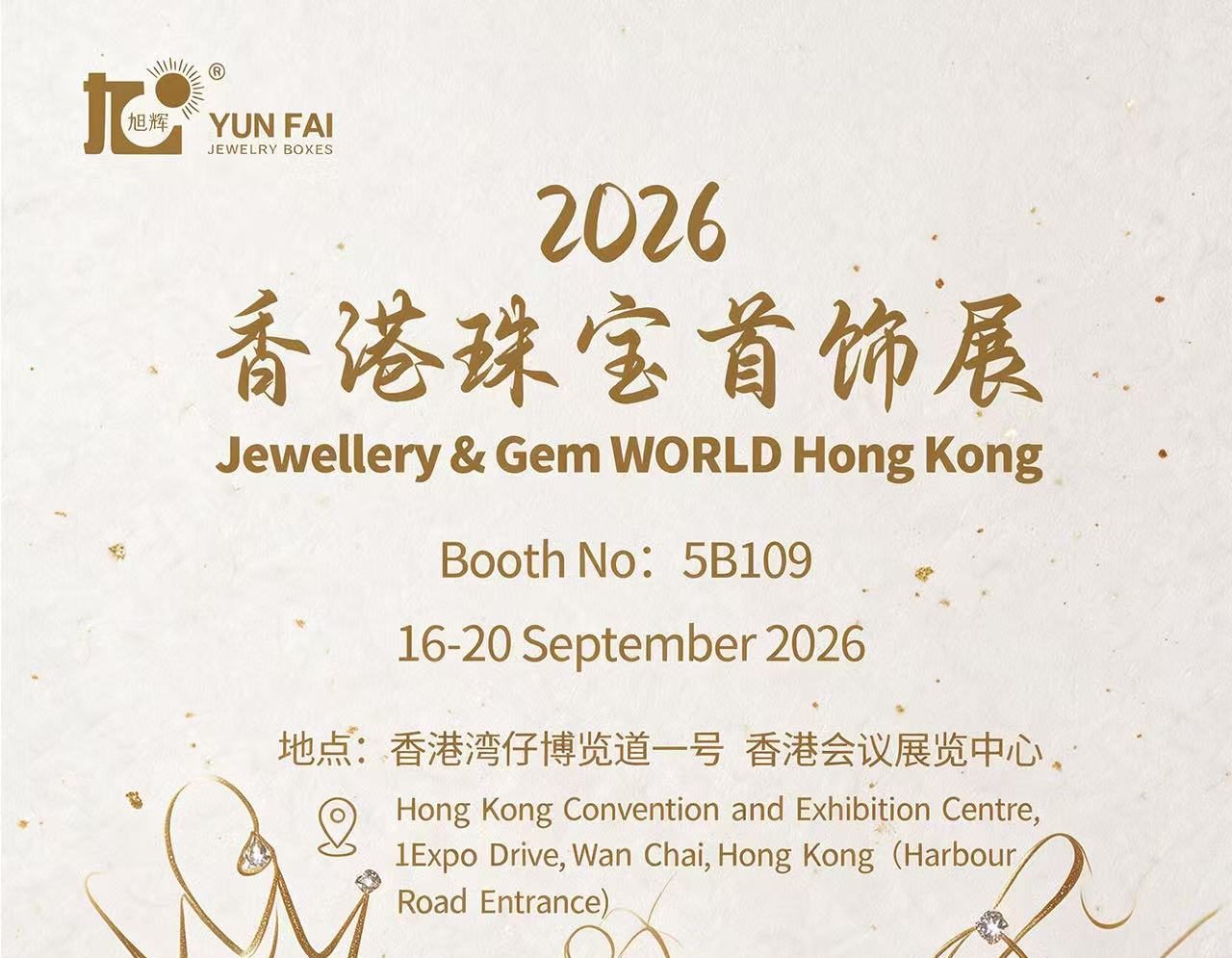
[LIVE FROM HK] Visit Yun Fai Jewelry Boxes at Jewellery & Gem WORLD Hong Kong 2026 (Booth: 5B109)
HONG KONG — The world-renowned Jewellery & Gem WORLD Hong Kong 2026 is now officially underway at the Hong Kong Convention and Exhibition Centre from September 16 to 20, 2026! As a leading source manufacturer with nearly 30 years of expertise in custom B2B packaging, Yun Fai Jewelry Boxes Manufactory (YUN FAI) is warmly welcoming global buyers, wholesalers, and jewelry brands at Booth 5B109. On-Site Exhibition Highlights Innovative Packaging Collections: We are showcasing our latest luxury designs, including PU leather cases, plush velvet/flocking boxes, high-gloss lacquer wooden boxes, and eco-friendly paper packaging. End-to-End B2B Customization: Backed by a 20,000+ m² facility and over 1,000 in-house mold sets, Yun Fai offers comprehensive OEM/ODM services — fr...Learn more -
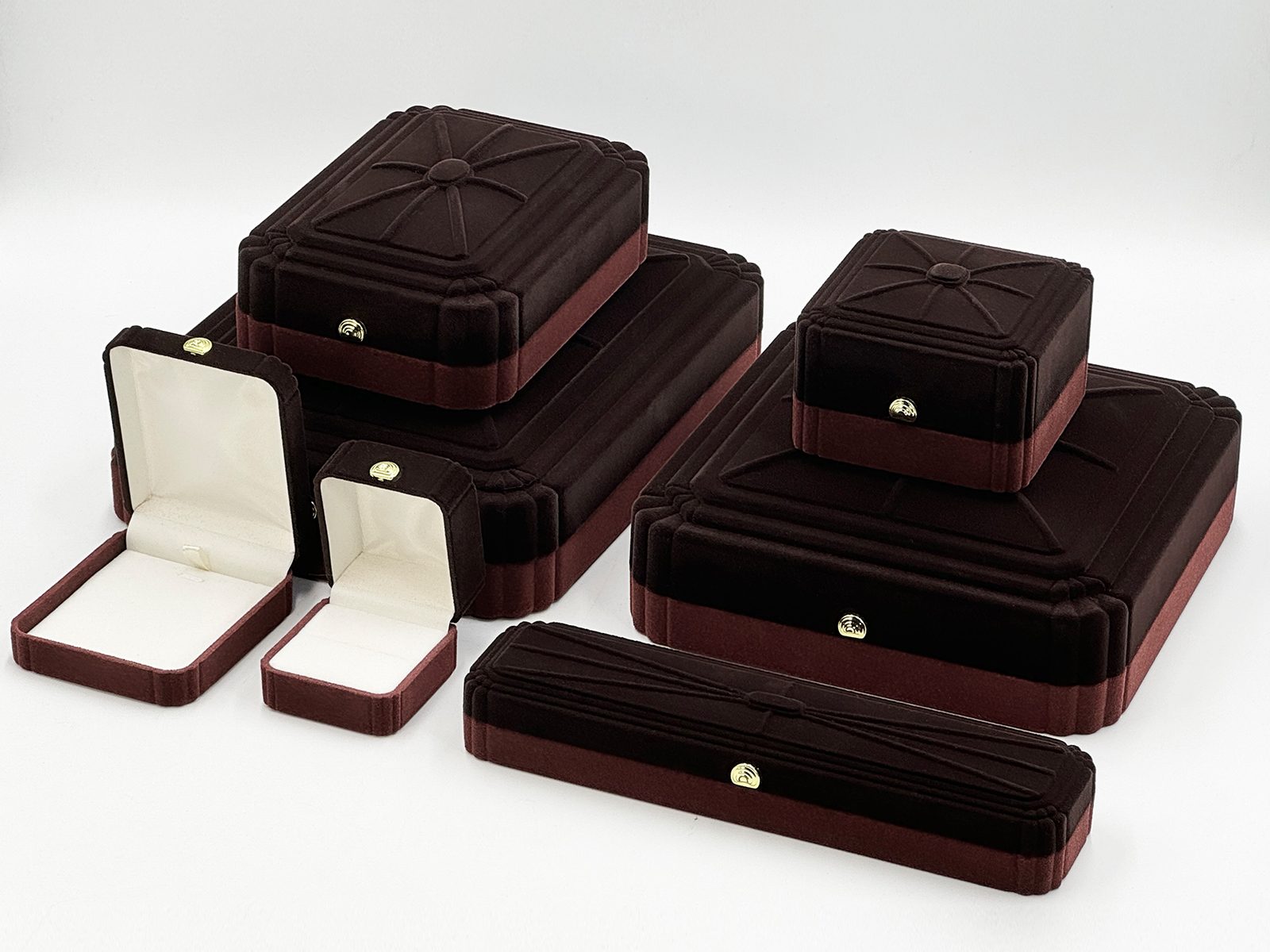
Flocking Jewelry Box Sourcing: How to Avoid Mold, Static, and Tarnishing in Bulk Orders?
Opening a sea freight container only to find moldy interiors, lint-covered velvet, or tarnished silver rings is every jewelry buyer’s worst nightmare. Custom flocking jewelry box orders look straightforward on paper, but ocean shipping will test every technical detail of your packaging supplier. To protect your margin and brand reputation, make sure your production spec sheets cover these three critical technical safeguards before approving mass production. Material Selection Matrix The combination of core material and fiber type determines how well your custom flocking jewelry box holds up under harsh storage environments: Flocking Fiber TypeMoisture ResistanceAnti-Static RatingColorfastnessBest ApplicationNylon FlockingExcellentSuperior (Resilient)Grade 4.5+Custom logo fl...Learn more