

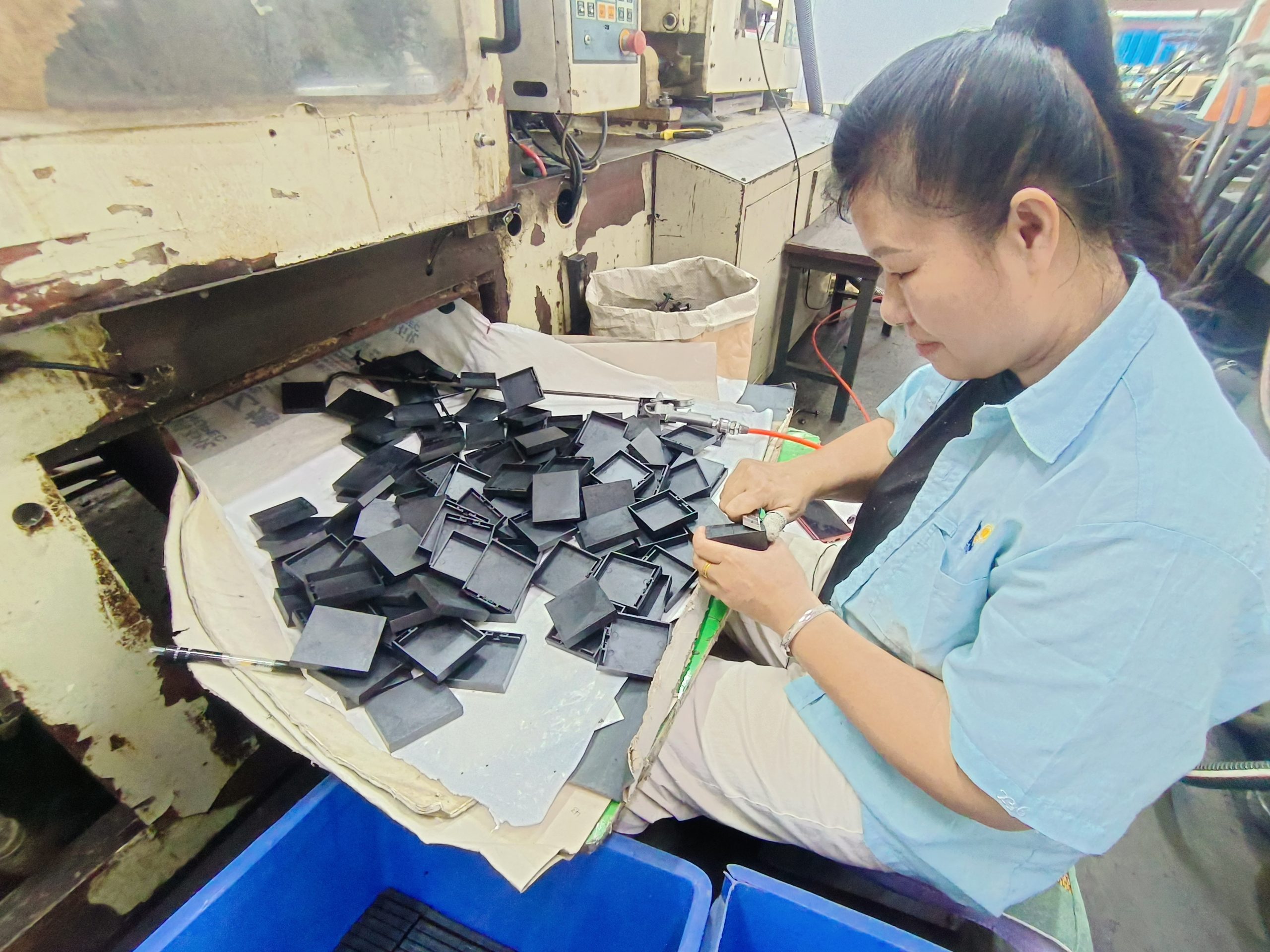
When a watch brand launches a 38mm and a 42mm model in the same season, both need their own fitted insert. When a cufflink brand runs four different back styles, each one typically gets its own cavity in a cufflink box insert. And when a gift division wants one presentation box holding a watch on the left and two pairs of cufflinks on the right, that’s yet another mold.
Under conventional packaging logic, each of those scenarios triggers a separate insert mold. And each mold means tooling cost, sampling time, and a locked-in MOQ before you see a single production piece.
At YUNFAI, we’ve been making cufflink box inserts and watch box packaging since 1998. The pattern we see across brands — from independent designers to established European accessory houses — is consistent: the insert layer is where packaging cost and lead time actually pile up, not the outer box.
This article walks through a different approach: using adjustable slot geometry so one insert platform serves multiple product configurations, cutting total mold investment meaningfully without touching the premium feel your brand needs to protect.
Why Inserts Drive Most of Your Packaging Cost (Not the Box Itself)
The outer box — whether it’s PU leather, wood, or velvet-wrapped board — is usually a one-time tooling investment. You design it, you mold it, it runs for years. Brands get that part right.
The insert layer is where costs multiply:
- Every unique cufflink base shape (rectangular, round, chain-link, novelty) typically gets its own die-cut cavity in a custom cufflink box insert
- Every watch dial size gets its own fitted foam or EVA recess in the watch box tray
- Every hybrid gift set configuration (watch + cufflinks, watch + bracelet, etc.) gets its own insert layout
So a seasonal line running 3 watch sizes and 4 cufflink styles can need 5 to 7 distinct insert molds before production even starts. That’s 5 to 7 rounds of tooling, sampling, and MOQ commitments — each tied to one specific product configuration that can’t be reused if the SKU changes.
The question isn’t whether to invest in good inserts. It’s whether you need a unique mold for every single product shape — or whether the insert can be designed to adapt.
What “Adjustable Slot” Actually Means in Cufflink Box Insert Design
There’s a lot of vague language floating around about “modular packaging.” Let’s be specific about what YUNFAI actually builds.
An adjustable slot insert replaces the idea of a fixed-cut cavity with a geometry that flexes, reconfigures, or trims down to fit a range of product dimensions inside the same outer shell. Three real engineering approaches are in production today at our factory:
1. Perforated EVA with Snap-Out Rings
How it works: The insert is die-cut from high-density EVA foam with concentric perforation rings around the watch cavity. When packing a specific dial size, the operator snaps out the ring segment that matches that diameter. The remaining foam holds the watch snugly.
What it replaces: Instead of cutting a unique cavity for a 38mm dial, another for 40mm, and another for 42mm — one perforated insert covers the whole range. The perforation lines sit underneath the velvet or microfiber wrapping, so they’re invisible in the finished product.
Best fit: Watch-dominant product lines where multiple dial sizes share the same outer box architecture.
2. Interchangeable Magnetic / Snap-In Blocks
How it works: The outer box contains a universal base tray. Into that tray, you insert modular blocks — a watch cushion, a cufflink holder, or a hybrid block. Blocks lock in place with magnetic pins or snap-fit clips and can be swapped in seconds.
What it replaces: Instead of molding three separate inserts for a watch-only box, a cufflink box with a dedicated cavity, and a mixed watch-and-cufflink set, you mold one base tray plus a small set of interchangeable blocks.
| Configuration | Traditional inserts needed | Modular approach |
| Watch-only cufflink box set | Dedicated watch insert mold | Base tray + watch cushion block |
| Cufflink-only box | Dedicated cufflink insert mold | Base tray + cufflink holder block |
| Watch + cufflink gift set | Dedicated hybrid insert mold | Base tray + hybrid block |
| Total molds | 3 | 1 base tray + block set |
Best fit: Brands that sell cross-category gift sets and need to reconfigure the same outer box for different product bundles across retail, wholesale, or seasonal campaigns.
3. C-Ring Memory Foam Core
How it works: The insert uses high-resilience memory foam cut into a C-shaped opening rather than a closed cavity. The C-ring flexes in two directions, letting it grip cufflink bases of varying thickness — from slim post-backs to chunky bullet-backs — without metal-to-foam scraping. When the product is removed, the foam recovers its original shape.
What it replaces: Instead of cutting a separate cavity for each cufflink back style, one C-ring slot adapts to all of them. This matters most for cufflink-heavy product lines where the back mechanism varies across SKUs.
Best fit: Cufflink-dominant brands running multiple back styles who need one velvet-wrapped cufflink box insert that holds everything securely without scratch risk.
Traditional Fixed Inserts vs. Adjustable Slot Inserts: What Actually Changes
| Packing set | Traditional fixed insert | YUNFAI adjustable slot insert |
| Mold count (5-SKU line example) | 5–7 molds | 1 base + 1–2 configurable modules |
| Tooling cost | Each SKU carries its own mold cost | Base mold cost shared across all configurations |
| Sampling lead time | Sequential — each mold needs its own fit-test cycle | Parallel — all configurations tested on one base |
| SKU-specific MOQ | Each insert tied to one product’s volume | Base insert can serve any compatible product |
| Warehouse footprint | Separate insert SKUs for each product size | Fewer insert variants to stock |
| Discontinuation risk | Mold becomes obsolete if SKU retires | Base insert reusable for replacement product |
The exact percentage of cost reduction depends on your product line complexity, order volume, and how many configurations the base insert needs to cover. In our experience working with brands running 3+ insert-dependent SKUs per season, the mold cost reduction has consistently been meaningful — in the range the industry broadly references as 20% or more.
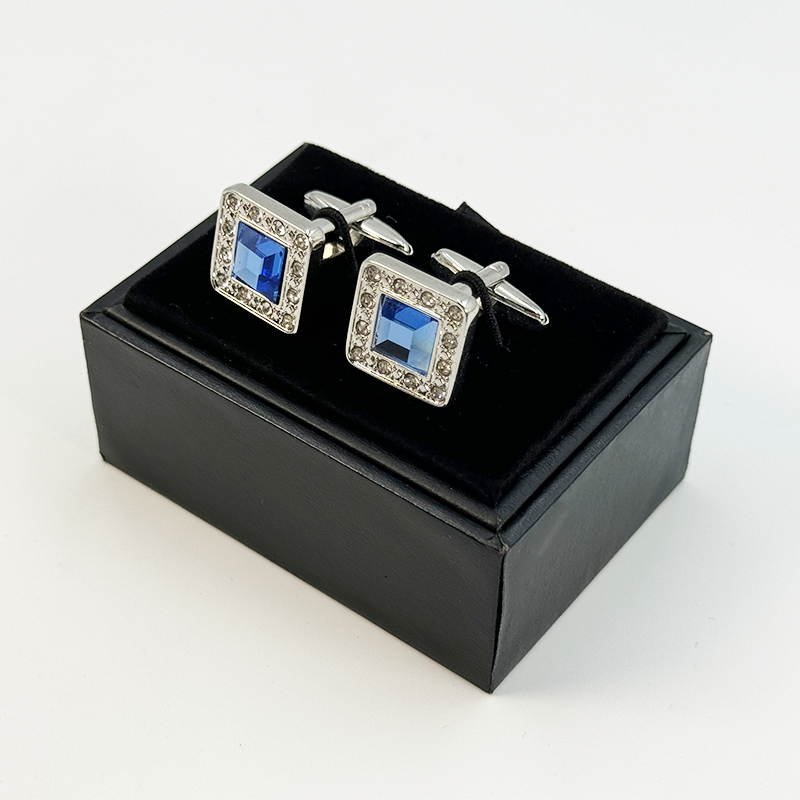
Does Modular Insert Design Look “Cheap”?
This is the first question luxury and premium-accessory brands ask. The answer is: not if it’s engineered correctly.
The modularity lives underneath the surface materials. Here’s how that works in practice:
- All foam and EVA cores are fully wrapped in velvet, microfiber, flocking, or PU leather before insertion into the box. The wrapping material covers perforation lines, block seams, and C-ring openings completely.
- Modular blocks are designed to sit flush with the base tray edge. When a customer opens the box, the insert appears as one continuous surface — there’s no visible gap between the block and the tray.
- Wrapping materials are sourced from the same production batch for both base tray and blocks, so there’s no color shift between components.
From the end customer’s perspective — the person unboxing the product — the insert looks and feels like a single, purpose-built piece. The adjustability is invisible. That’s what makes a premium cufflink box with modular internals indistinguishable from a fully bespoke one.
Where This Approach Has Actually Been Applied
Rather than fabricating a case study with invented metrics, here’s what we can say about real applications:
YUNFAI has implemented adjustable-slot insert systems for brands in several scenarios:
- Cross-seasonal men’s accessory collections combining multiple watch sizes and cufflink styles in shared gift box architecture — one outer shell serving as both a cufflink box and a watch box
- Private-label programs where a distributor needs one outer box mold to serve different product bundles for different retail partners
- Bridge-to-luxury brands running seasonal capsule lines where dedicated mold investment per SKU doesn’t amortize at their volume
In each of these, the pattern holds: fewer insert molds, shorter sampling cycles, and the ability to reallocate packaging inventory across products when demand shifts between SKUs.
If you want to talk through whether your specific product line is a fit, we’d rather look at your actual specs than give you a generic projection. Get in touch with YUNFAI here.
FAQ: Adjustable Slot Cufflink Box and Watch Box Inserts
Will adjustable slots loosen or deform after repeated use?
The perforated EVA approach (snap-out rings) has no moving parts — once a ring is removed, the remaining structure is solid foam. There’s nothing to wear out. The C-ring memory foam is selected for high resilience and is tested for repeated compression-recovery cycles. The magnetic/snap-in blocks use hardware designed for repeated insertion and removal. In normal packaging and fulfillment use, these inserts hold their fit across the product’s lifecycle.
Does the modular design affect the premium look of the packaging?
No. The adjustability is engineered underneath the wrapping layer. All cores — whether EVA, memory foam, or modular blocks — are fully wrapped in velvet, microfiber, or PU leather before insertion. Perforation lines and block seams are not visible in the finished product. From the outside, the insert is indistinguishable from a fully custom-cut piece.
Can one insert system work for products beyond cufflinks and watches?
Yes. Any product family where dimensions vary within a predictable range can benefit from adjustable slot geometry — including bracelets of different diameters, rings with varying band widths, pens with different barrel sizes, and small leather goods. The principle is the same: one base mold with adaptable cavities replaces multiple dedicated molds.
What information does YUNFAI need to evaluate whether this fits my product line?
- Product list with dimensions (diameter, thickness, weight)
- Outer box preferences (material, size, opening style)
- Estimated order volume per SKU per season
- Target sampling and production dates
Send us these specs and we’ll recommend an approach — perforated EVA, modular blocks, C-ring core, or a hybrid — with a mold count and cost comparison against your current setup.
How does sampling work with the modular approach compared to traditional?
Traditional insert sampling is sequential — each unique mold goes through its own tooling, cutting, and fit-test cycle. With a modular base, once the base insert is tooled and sampled, additional configurations are adjustments to existing modules rather than new mold runs. This compresses the sampling timeline, and the time saving grows with the number of SKUs in your line.
Is This Approach Right for Your Brand?
You’ll see the clearest benefit from adjustable slot inserts if any of these describe your situation:
- Your product line includes multiple watch dial sizes that currently each get their own insert mold
- You sell cufflinks with different back mechanisms (bullet-back, whale-back, chain-link, etc.) and mold a separate cavity for each inside the cufflink box
- You offer cross-category gift sets combining watches and cufflinks in one presentation box
- You run seasonal or limited-edition lines where dedicated mold investment doesn’t amortize across enough volume
- You’re a distributor or wholesale channel that needs to reconfigure packaging for different product bundles without ordering separate packaging for each combination
If you’re currently investing in three or more separate insert molds per season, the modular approach is worth evaluating. The mold count reduction is real, and the sampling timeline compression is real. The only way to know the exact savings for your line is to put your specs in front of someone who can run the comparison.
YUNFAI has been manufacturing premium custom packaging since 1998. Our 20,000+ m² factory produces PU leather, velvet, flocking, wooden, and transparent boxes for jewelry, watch, and cufflink brands worldwide. Explore our cufflink box collection or request a custom quote for your next cufflink box or watch box project.