

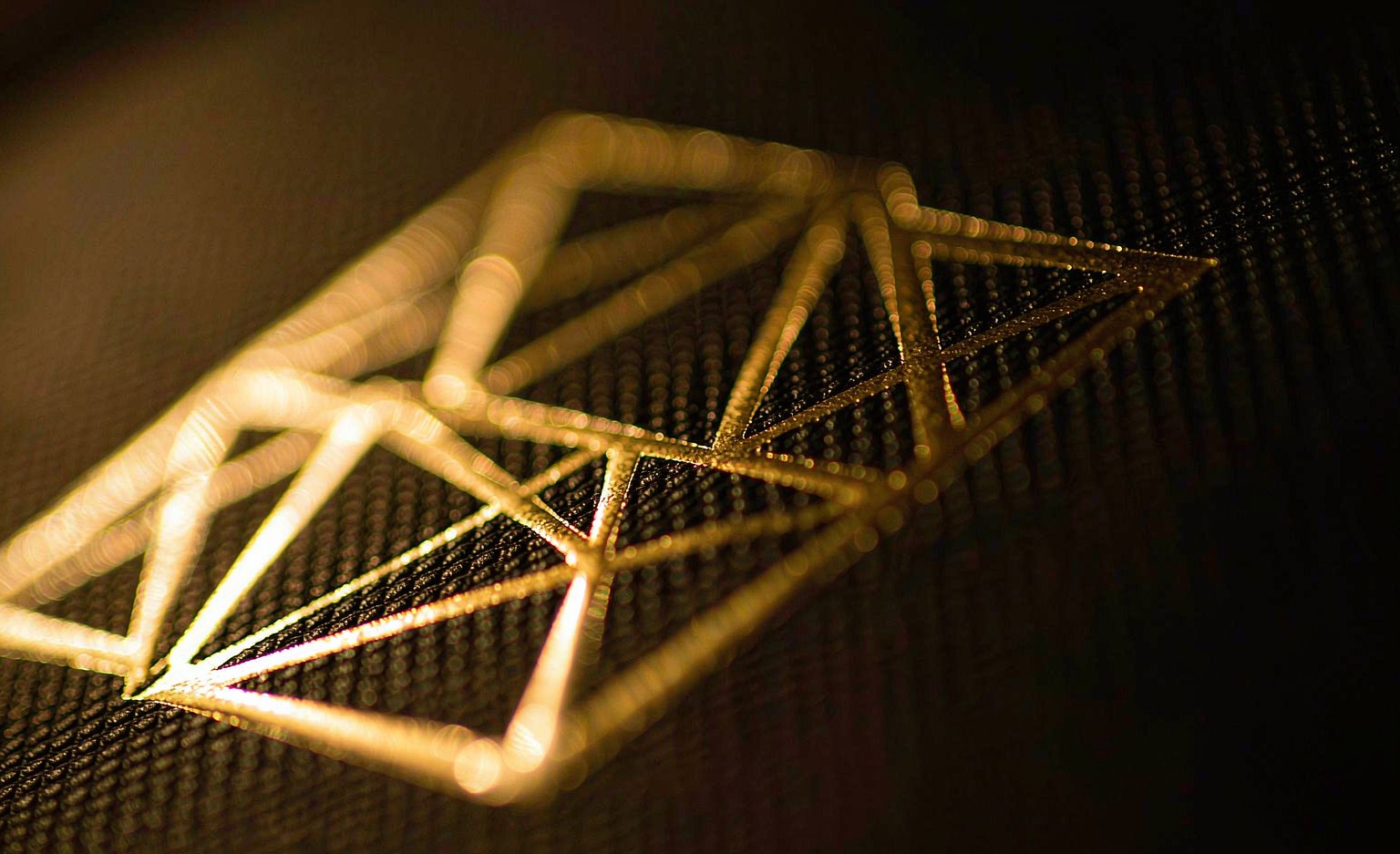
A logo is approved on a sample. The sample is handled twice — once by the person who made it, once by the buyer. Then the box goes into the world, where a shop assistant opens it four hundred times, a customer slides it across a counter, a returned item goes back in, and it spends two years in a drawer before anyone looks at it again.
Most logo failures are approved at the sample stage. Not because the sample was wrong, but because the test was too easy.
What follows is how the five main logo methods actually behave on jewelry boxes — where each one is strong, where each one quietly fails, and which substrate rules out which option before your brand guidelines get a vote.
The sample is a bad test
Before the methods, one thing worth internalising.
A sample box is produced by a technician, on a bench, with fresh material, and handled by someone who knows not to touch the print. It tells you what the logo looks like. It tells you almost nothing about how it will age.
What actually ages a logo is mechanical and chemical, not visual:
- Friction at the corners and lid edges, where the box contacts a bag, a shelf, or another box.
- Hand oils and cosmetics transferring onto the surface every time it’s opened.
- Plasticiser migration inside PU leatherette, which pushes ink and foil bond layers off from underneath.
- UV and humidity during storage and shipping, which shifts foil tone and can lift edge adhesion.
Different methods fail differently under each of these. That’s the useful axis for choosing, and it has very little to do with how the logo looks on the day you approve it.
Five methods, and what each one is actually doing
Hot foil stamping
How it works
A heated metal die presses a thin metallic or pigment film into the surface under pressure and dwell time. The carrier releases the foil, and the heat and pressure bond it to the substrate. There is no ink and no drying — the mark is transferred, not printed.
Where it wins
Foil is the reference standard for luxury because it behaves like an inlay rather than a coating. Under raking light it has depth, which is exactly what a flat print can’t fake. It holds up well in most handling conditions and reads as expensive at a glance.
Where it fails
Two places. On uncoated or textured paper, foil needs enough pressure to bite in, and aggressive texture prevents a clean release — you get pinholes and a broken edge. And on PU leatherette, the failure is not the foil itself but the coating beneath it: if the PU’s plasticiser migrates, the foil lifts in patches, usually starting at the thinnest strokes. Foil on PU is fine when the material is specified properly; it’s a coin toss when it isn’t.
Detail limit: roughly 0.3 mm stroke width. Text below about 6 pt starts to fill in at the counters, and hairline serifs are the first casualty.
Silk screen printing
How it works
Ink is pushed through a mesh screen, one screen per colour, then cured. It sits on top of the surface.
Where it wins
Best cost-to-legibility ratio for small, precise text. It handles fine type and multi-colour marks better than foil, and it’s the natural choice for logos that have to reproduce accurately at small size — care instructions, size markings, fine-line wordmarks.
Where it fails
On flocking and velvet, screen printing is close to unusable: the ink can’t form a continuous film over loose fibre, so the mark looks dusty and wears off in the first weeks. On PU, adhesion depends entirely on the ink system — a rigid ink on a flexible substrate will craze and crack along fold lines. On high-gloss lacquered wood, ink sits as a visible layer and reads as a sticker.
Detail limit: around 0.25 mm on smooth paper, but ink spread means 0.3 mm is a safer floor. Light ink on dark substrate is the hardest combination and should always be proofed physically.
UV spot printing
How it works
A UV-curable ink or varnish is applied and cured instantly under UV light, which means it can be laid over printed areas without a screen. It produces a raised, glossy mark.
Where it wins
Detail. UV holds line weights and gradients that foil can’t, and multi-colour logos without the setup cost of multiple screens. The gloss-versus-matte contrast on a textured paper is genuinely striking. It’s also the fastest route to a small run with a complex mark.
Where it fails
Adhesion on low-surface-energy substrates — untreated PU and some coated boards — plus its tendency to look like a decal on very matte surfaces. And unlike foil, it has no metallic quality, so it can’t substitute for a gold or silver mark on a premium box.
Detail limit: the finest of the printing methods, around 0.15–0.2 mm.
Deboss and emboss
How it works
A die presses into the material. Deboss sinks the logo; emboss raises it. In both cases the mark is the substrate itself, deformed — there is no applied layer.
Where it wins
Nothing can wear off, because nothing was added. On dense greyboard under a paper or leatherette wrap, a deboss has a crispness that reads as restrained and expensive, and it ages better than any applied mark. Blind deboss — no foil, no ink — is the most durable logo treatment available.
Where it fails
Detail. Deboss pushes material aside, so fine strokes close up and small text fills in. On soft or thick substrates the mark looks mushy rather than sharp. And the recessed area collects dust, which is visible on dark materials.
Detail limit: around 0.5 mm for deboss, and more on soft wraps. Fine serif type should not be debossed at all.
Metal plates, labels and laser engraving
How it works
Three distinct options usually lumped together. A metal plate is a separate thin metal piece, printed or etched, riveted or adhered to the box. A metal label is similar but thinner and adhesive-backed. Laser engraving burns the mark into wood, leather, or coated board directly.
Where they win
A metal plate is the most durable mark you can put on a box — it outlasts the box. On dark leatherette and lacquered wood it also adds genuine three-dimensional hardware, which is a different effect from any surface treatment. Laser engraving on wood is permanent and needs no consumables.
Where they fail
Metal plates add real unit cost and add a step that can fail — a poorly riveted plate detaches, and an adhesive-backed one can lift in heat. Laser engraving on coated or painted wood burns through the finish and leaves a matte, slightly charred line that either looks intentional or looks like damage, depending on execution. On very dark materials it can be nearly invisible.
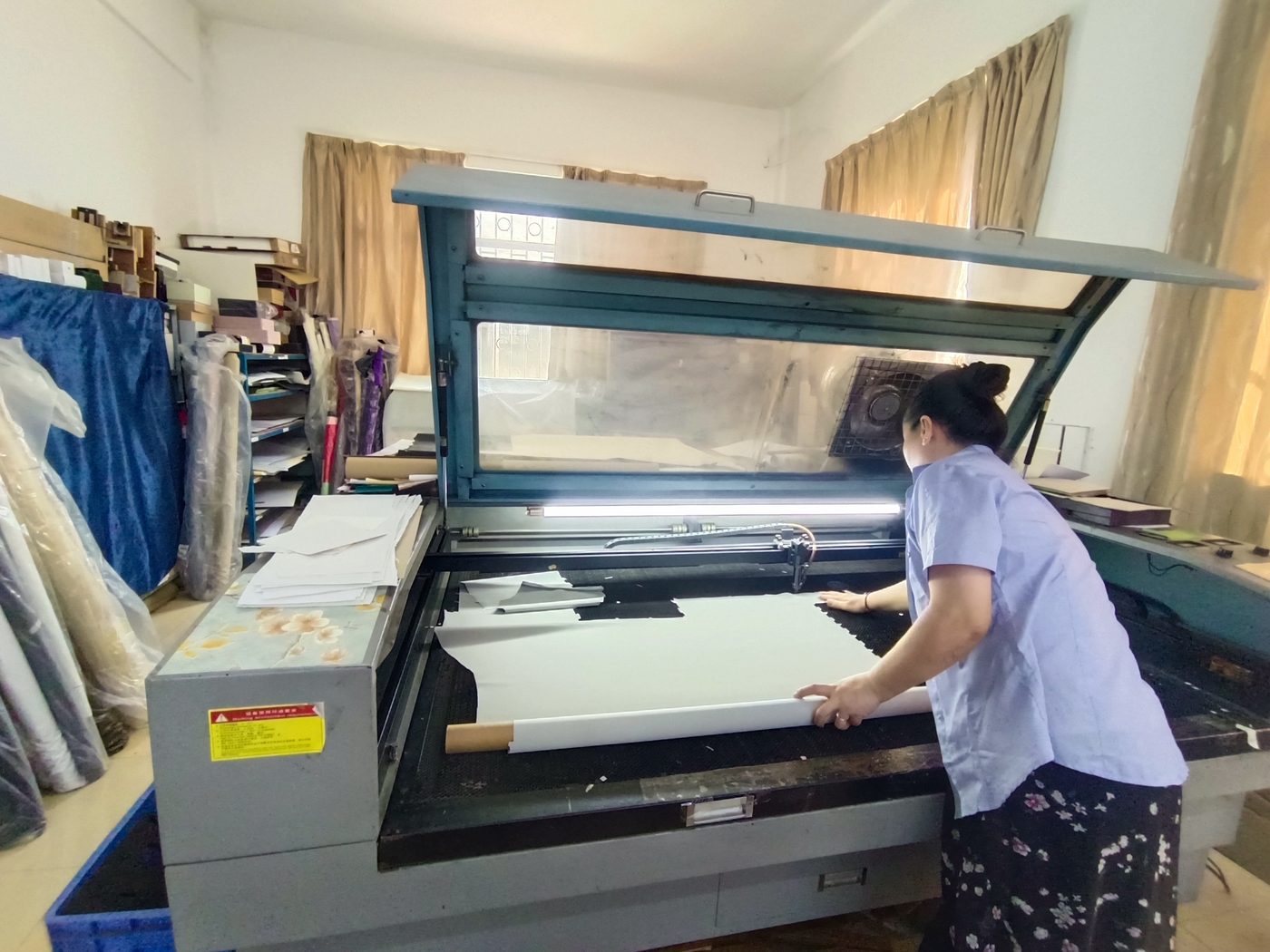
Detail limit: etched metal plates hold very fine detail. Laser resolution depends on grain direction and the finish underneath.
The six numbers that decide it
| – | Min stroke | Small text | Durability | Setup cost | Per-unit cost | Best substrates |
|---|---|---|---|---|---|---|
| Hot foil | ~0.3 mm | Poor below 6 pt | High, but lift risk on PU | Medium (one die per size) | Low–medium | Coated paper, leatherette, flocking, wood |
| Silk screen | ~0.25 mm | Excellent | Medium | Low per colour | Low | Coated paper, smooth leatherette |
| UV spot | ~0.15 mm | Excellent | Medium | Medium–high | Low–medium | Textured paper, coated board |
| Deboss / emboss | ~0.5 mm | Poor | Highest | Medium (one die) | Lowest at volume | Dense board under paper or leatherette |
| Metal plate | Very fine | Excellent | Highest | Low for stock sizes | Highest | Leatherette, wood, lacquer |
| Laser engraving | ~0.2 mm | Good | Permanent | None (digital) | Low | Wood, thick leather, coated board |
Two things to read out of that table. The cheapest per-unit methods are deboss and laser — both are permanently marked substrates with no consumable. The most durable marks and the cheapest marks are not the same list, which is why “premium” and “long-lasting” are separate decisions.
Your substrate narrows the choice before your brand book does
This is the part that catches brands in design review. A logo concept is approved in a brand deck, then a factory has to say no — because the chosen method doesn’t work on the chosen material.
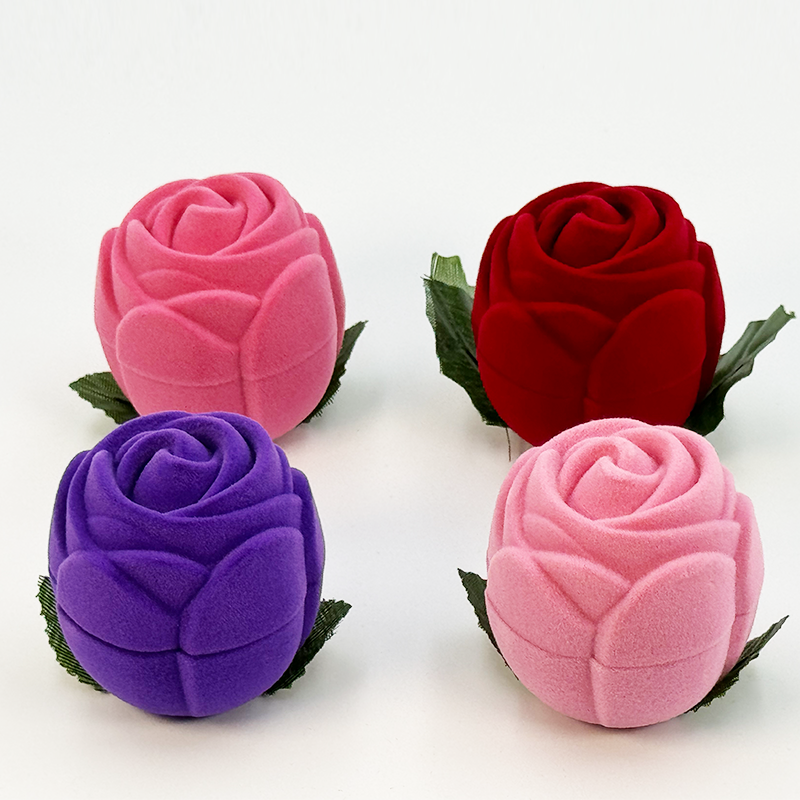
Velvet and flocking
Screen printing is out. Foil works and is the usual choice, but the fibre surface means pressure has to be tuned per batch, and foil on a deep-pile flock can look slightly sunken rather than crisp. Deboss is unreliable because the fibre compresses unevenly. The realistic answers are foil or a small metal plate. If your artwork has fine type, foil will lose it — plan for a simplified mark on flocked boxes. Our three quick tests for spotting fake flocking also matter here, because low-grade flocking holds foil badly.
PU and leatherette
The widest choice and the most variable results. Foil, screen, deboss, and metal plates all work. What determines long-term success is not the method but the PU’s plasticiser content and coating adhesion — the same issue that causes sticky, peeling leatherette in tropical climates. On a well-specified PU, foil lasts years. On a cheap one, foil lifts and screen ink crazes, and no method choice rescues it.
Wrapped paper
The most forgiving substrate and where printing shines. Screen for precise multi-colour, UV for fine detail or gradients, foil for metallic accents, deboss for restraint. Textured and felt papers take foil beautifully if the texture is fine; coarse textures don’t.
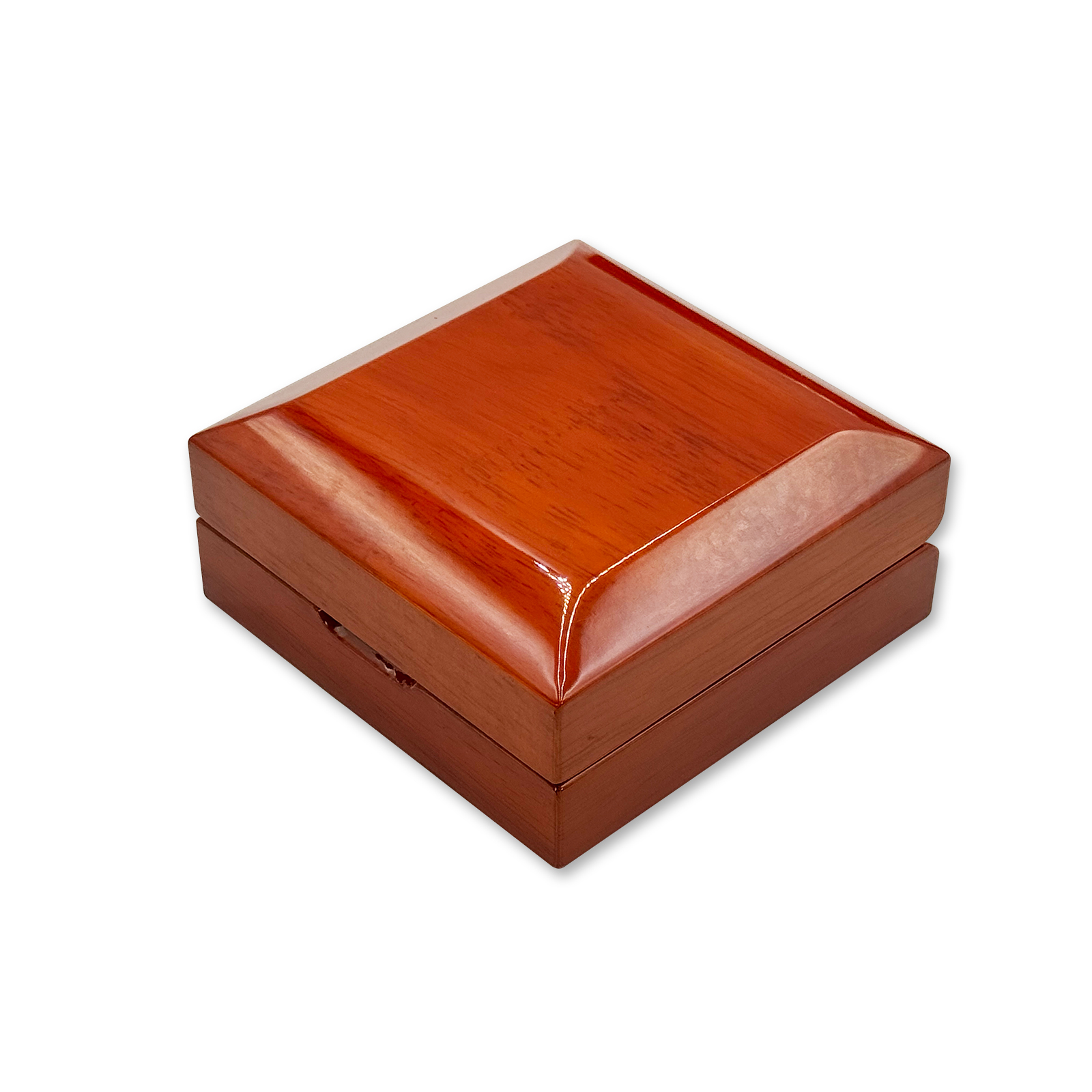
Wood and piano lacquer
Foil on lacquer is a strong look, but the lacquer has to be fully cured — foil applied too early lifts. Screen printing on gloss lacquer looks applied rather than integrated. Deboss has to be cut into the finish, which risks cracking at the edges on thick coats. Laser engraving is the native option for wood, and metal plates are the native option for lacquered lids. Our piano lacquer durability notes cover why surface hardness changes what’s possible.
Acrylic and transparent
Entirely different rules: the mark is usually on the inside face, reverse-printed, so it’s protected by the material itself. Externally applied marks on clear acrylic scratch easily and are visible from both sides. We covered the production constraints in preventing weld lines and bubbles in acrylic boxes.
What wearing out actually looks like
Three distinct failure modes, each with a different fix.
Abrasion. The mark physically thins where the box is touched. Typical on foil at lid corners and on screen print at the front edge. Fix: move the mark away from high-contact zones, or add a protective lamination on paper.
Adhesion failure. The mark detaches from underneath — patches of missing foil, ink lifting at the edges. This is a substrate problem presenting as a logo problem. Fix: specify the material, not the method.
Oxidation and colour shift. Metallic foil dulls, particularly silver and copper tones, and some pigments shift under UV. Fix: choose foil grades rated for the storage condition, and avoid unsealed metallic prints on boxes that will sit in shop windows.
The one method that cannot wear off is deboss, because the mark is the material. If durability is the priority above all else — heavy retail handling, long shelf life, a box intended to be kept — a blind deboss is the answer even though it limits detail.
Four briefs, four right answers
500 units, one colour, budget-sensitive
Go with a stock structure and spend the money on the mark instead. Screen print on a paper-wrapped box is the cheapest path to a clean, sharp logo, and at 500 pieces the screen setup is the only fixed cost. Avoid: a custom foil die for a mark that screen printing can reproduce. You’ll pay for the die and get no visual gain.
Bridal, ivory on ivory, must feel expensive
Foil and deboss together, tone-on-tone. A blind deboss border with a small foil mark inside gives depth without contrast, which is exactly the bridal register. Avoid: white screen print on ivory paper — it reads as unfinished, and it will yellow unevenly.
Watch brand, black leatherette, metal hardware
Metal plate. The box already carries metal — hinges, clasps, a crown-shaped pull — and a printed logo next to real hardware looks like a downgrade. A brushed plate at small size costs more per unit but is the only option that matches the object it sits beside. Avoid: gold foil alone, which will look flat next to polished hardware.
Mass retail, 5,000+ per colourway, must look identical at year three
Deboss or screen print, and specify the substrate ruthlessly. At this volume the per-unit difference between methods is negligible; consistency is the entire problem. Foil on a variable PU will drift between batches. A deboss on a fixed board density won’t. Avoid: metal plates, which introduce a supplier and an assembly step into a program that needs to run unattended for three years.
The mistakes that cost the most
Debossing a fine wordmark. The strokes close. By the time it’s visible on a sample it’s too late — the die is cut.
Foiling on unsealed textured paper. Pinholes appear at the edges, and the mark looks worn on arrival.
Screen printing on flocking. It will be worn through within weeks. There is no ink system that solves this.
Approving from a screen render. A 3D mock-up cannot show foil reflection, deboss depth, or ink spread. Every method needs a physical proof on the actual substrate.
Combining methods without checking registration. Foil over a printed background needs the print to be dry and the registration tolerance to be designed in. Small misalignments look like errors, not craft.
Assuming a metal plate is always more premium. On a lightweight paper box, a metal plate adds weight and cost and looks bolted on. It works when the object around it justifies it.
What to send for an accurate answer
Six things, and any factory can quote properly from them:
- Vector artwork with fonts outlined, and Pantone references rather than RGB values.
- The substrate you’ve chosen, by reference number, not by description.
- Box dimensions and the physical area available for the mark.
- Quantity, and whether it will be split across colours or sizes.
- Where the mark sits relative to lid edges and openings.
- How the box will be handled — retail counter, e-commerce shipping, gift-with-purchase, long-term storage.
That last one changes the recommendation more often than buyers expect. A box that ships direct to a customer and gets opened once has different requirements from one that lives on a counter for two years.
Frequently asked questions
Which logo method lasts the longest?
A blind deboss, because the mark is the material itself and there is nothing to wear off. If the design needs colour or metal, a metal plate is next — it outlasts the box. Hot foil is third, and its longevity depends more on the substrate than the foil.
Can I use two methods on the same box?
Usually yes, and it’s common: foil logo with a debossed frame, or a metal plate with foil on the interior lid. Each added method is an added pass and an added registration risk, so keep the combination to two where possible and proof the alignment physically.
Is hot foil always more expensive than printing?
Not always. Foil has a die cost but no ink cost, and it’s a single pass. For a large, simple mark at high volume, foil is often cheaper than a two-colour screen print. The expense appears when the artwork is detailed, because fine detail in foil requires a more precise die and a higher reject rate.
Can a logo be corrected after the die is cut?
The die can be re-cut, at the cost of a new die and a new round of samples. What cannot be fixed is the structural decision — if the mark is too fine for the chosen method, or sits in a high-friction zone, that has to be caught before the die is made. This is the reason we insist on a physical proof on the actual substrate rather than an approval from a render.
Does the logo method affect tooling cost?
Yes, and it’s the most overlooked line in a quotation. Each method carries its own setup: a foil die, one screen frame per colour, a deboss die, or an etching charge for a metal plate. Four decoration passes can mean four sets of setup. If you’re comparing quotes and one includes decoration tooling while the other doesn’t, the numbers aren’t comparable yet.
Try it on your own material
Send us your artwork and the substrate you’re considering. We’ll produce a physical proof with two or three candidate methods on the same material, so you can compare them under the lighting your product actually sits in — rather than deciding from a screen.